Dark Sky Reserve
What is the Dark Sky Reserve?
Stargazing at Lake Ōhau: Exploring New Zealand’s Dark Sky Reserve
Lake Ōhau sits within the Aoraki Mackenzie International Dark Sky Reserve — one of only a small number of officially recognised dark sky reserves globally, and the first to receive Gold Tier status in the Southern Hemisphere. For visitors staying in the region, the night sky is not simply an attraction, but part of the wider landscape experience that defines the central South Island.
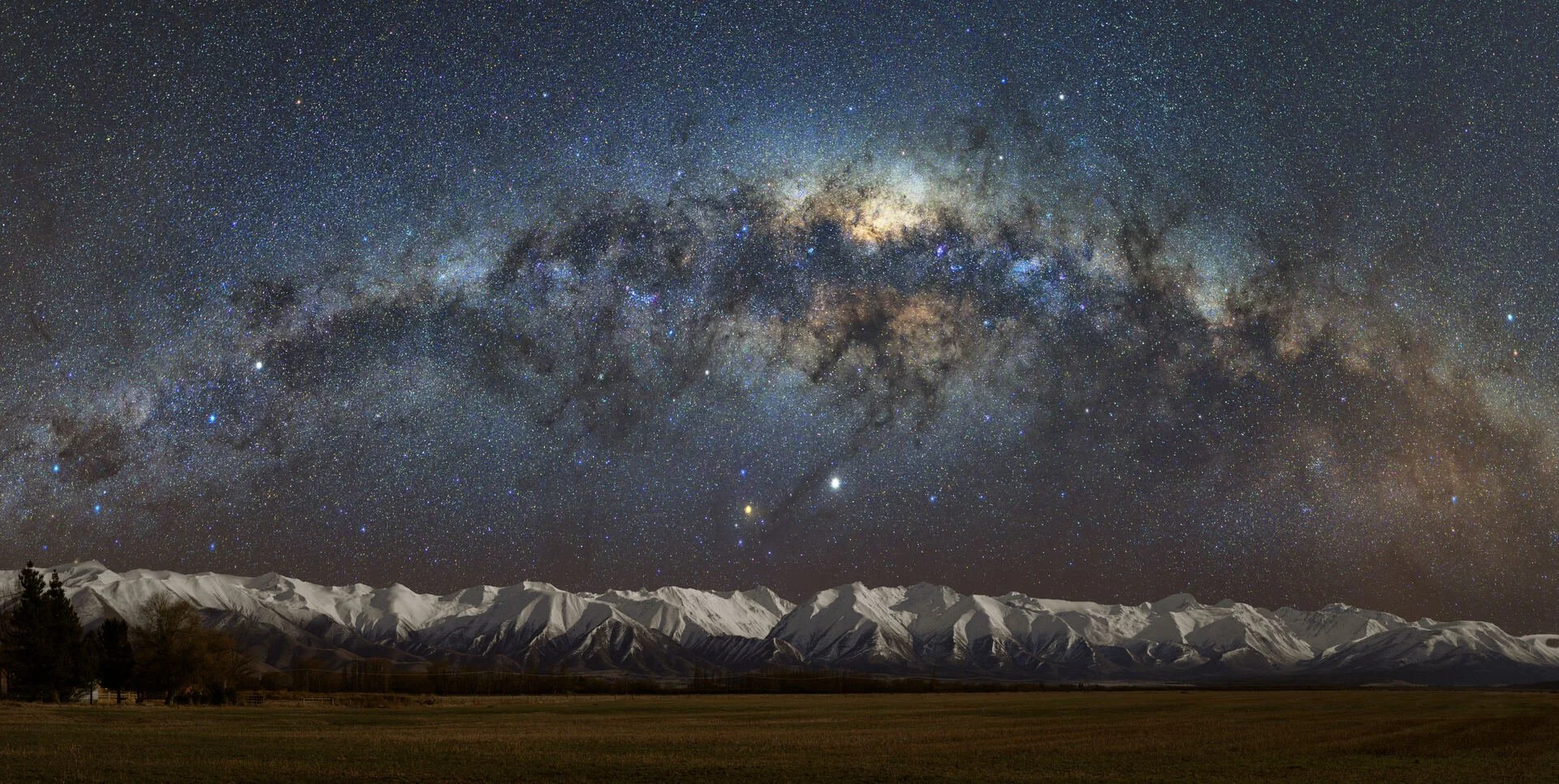
The Aoraki Mackenzie International Dark Sky Reserve is the largest reserve (4,367㎢) in the Southern Hemisphere.
It is comprised of Aoraki/Mt Cook National Park and the Mackenzie Basin of Aotearoa/New Zealand’s South Island. The reserve's formation is a recognition of the pristine and beautiful dark skies of the Mackenzie Region, which are mostly free of light pollution.
Photography & Caption: Dark Sky Reserve Website
Established in 2012 by the International Dark-Sky Association, the Aoraki Mackenzie International Dark Sky Reserve covers more than 4,300 square kilometres across the Mackenzie Basin and Aoraki / Mount Cook region.The reserve was created to protect the area’s exceptionally low levels of light pollution and preserve natural darkness for astronomical research, education, conservation, and public enjoyment.
The Mackenzie Basin area is where Lake Ōhau Village is located, and it is is internationally recognised for having some of the clearest and darkest night skies in the world. Surrounded by alpine landscapes, glacial lakes, and vast open terrain, the region offers a level of astronomical visibility that has become increasingly rare in modern life.
The region has long been recognised for its unique viewing conditions. Clear alpine air, low humidity, high elevation, and minimal urban development combine to create remarkable atmospheric clarity throughout much of the year.
The reserve surrounds the Mount John Observatory near Lake Tekapo, one of New Zealand’s leading astronomical research sites, operated by the University of Canterbury. Since the 1960s, the observatory has contributed to international research in areas including variable stars, exoplanets, and gravitational microlensing. Today, the reserve is considered one of the world’s premier stargazing destinations.
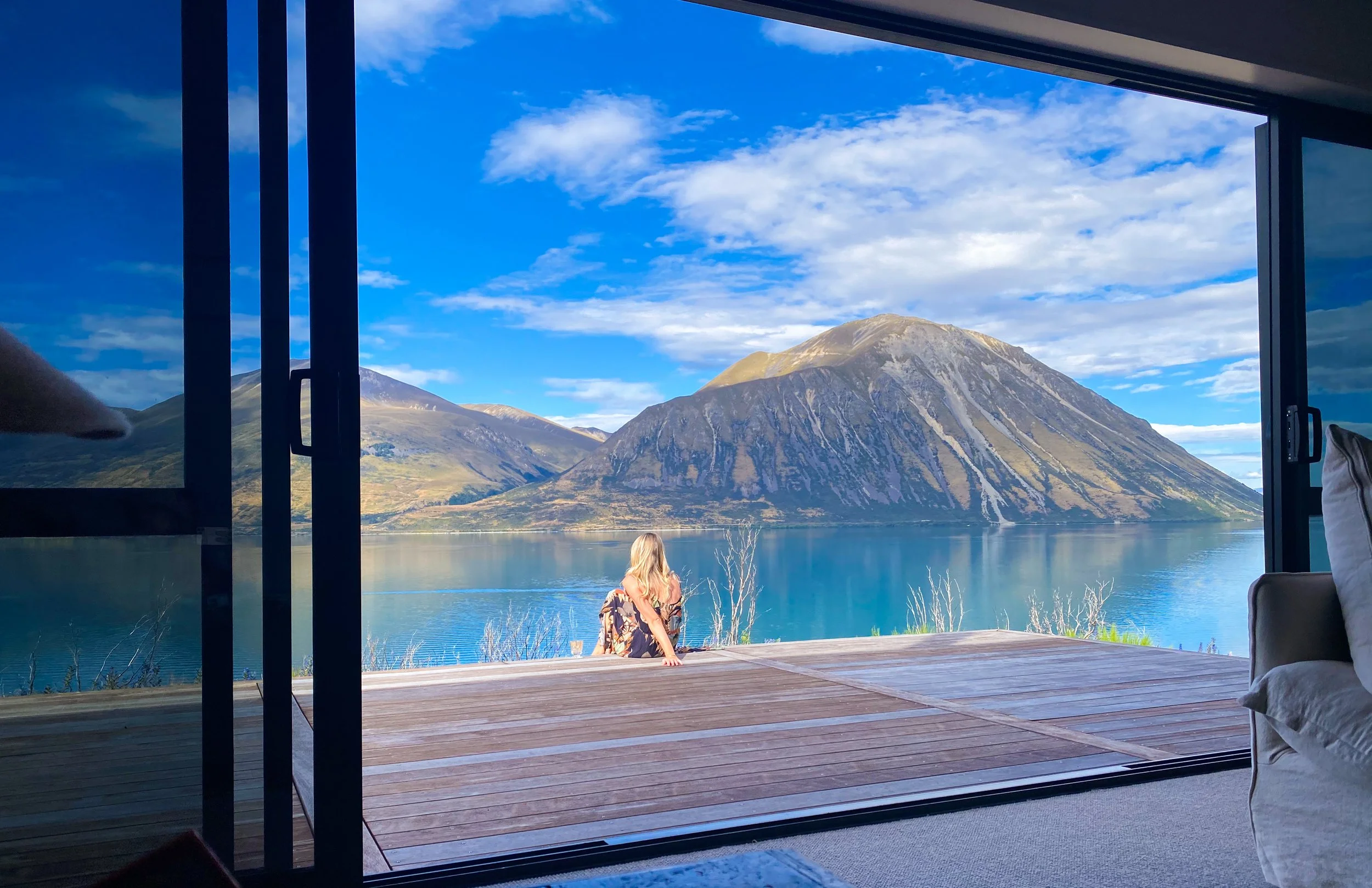
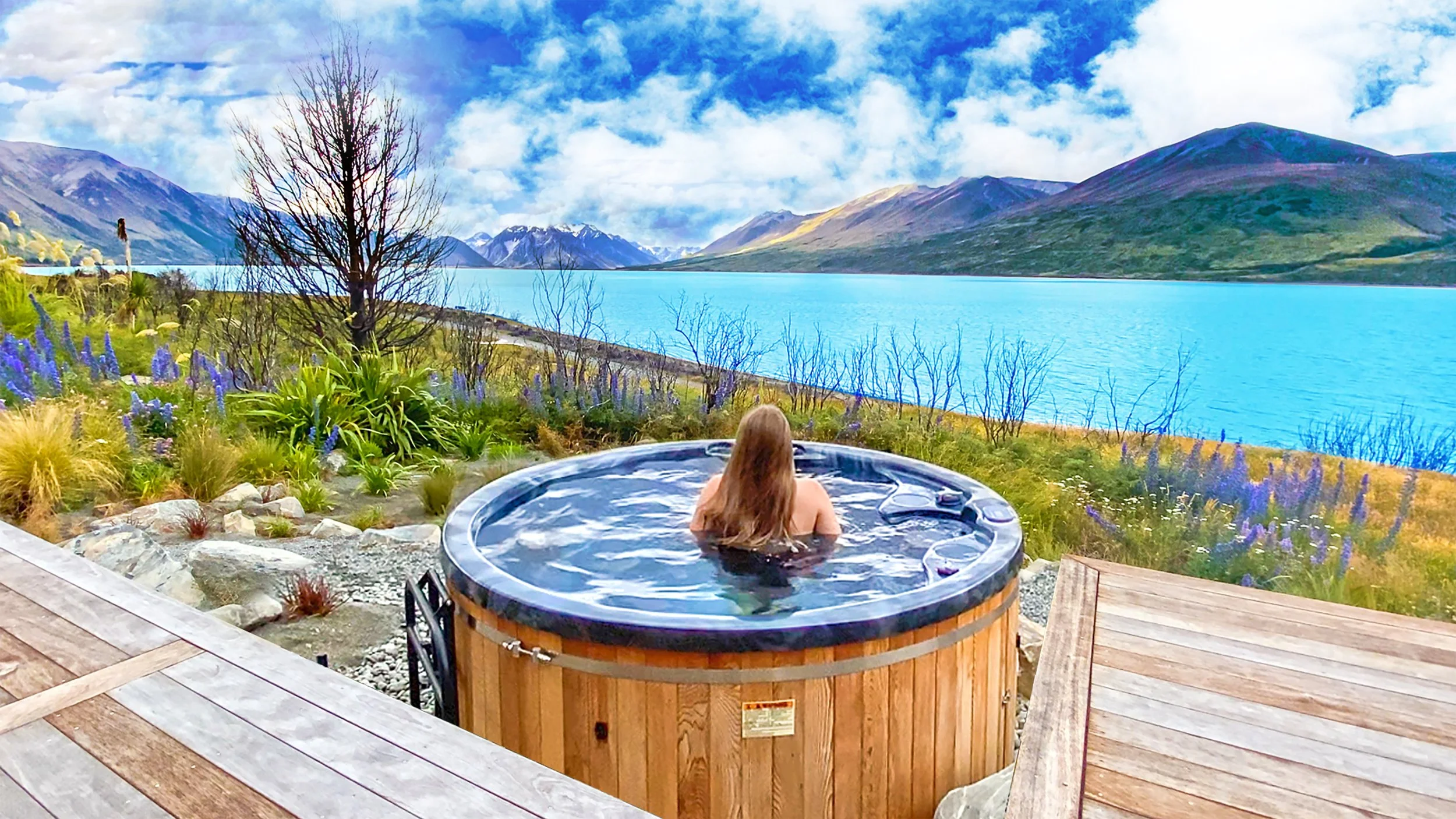
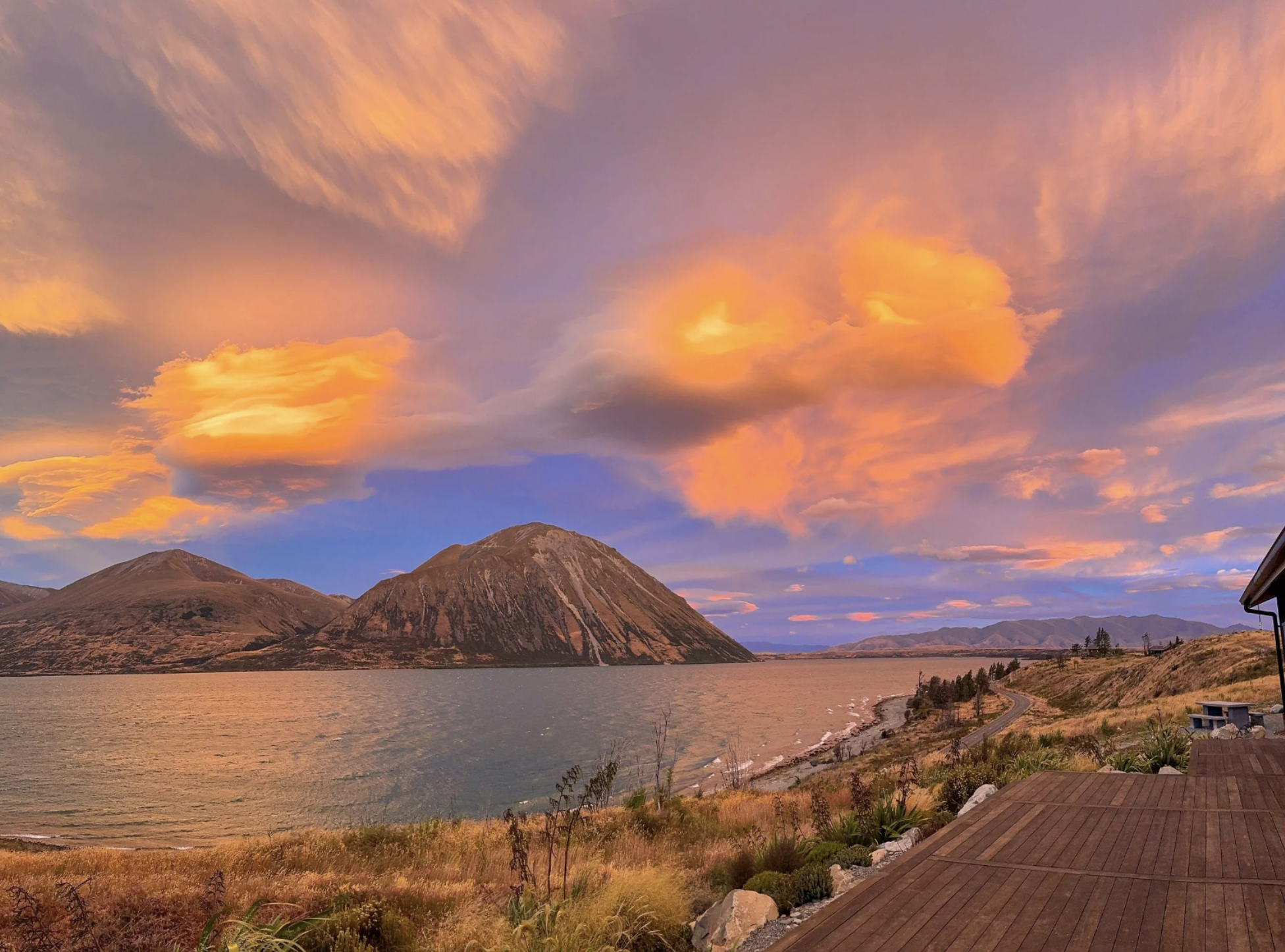
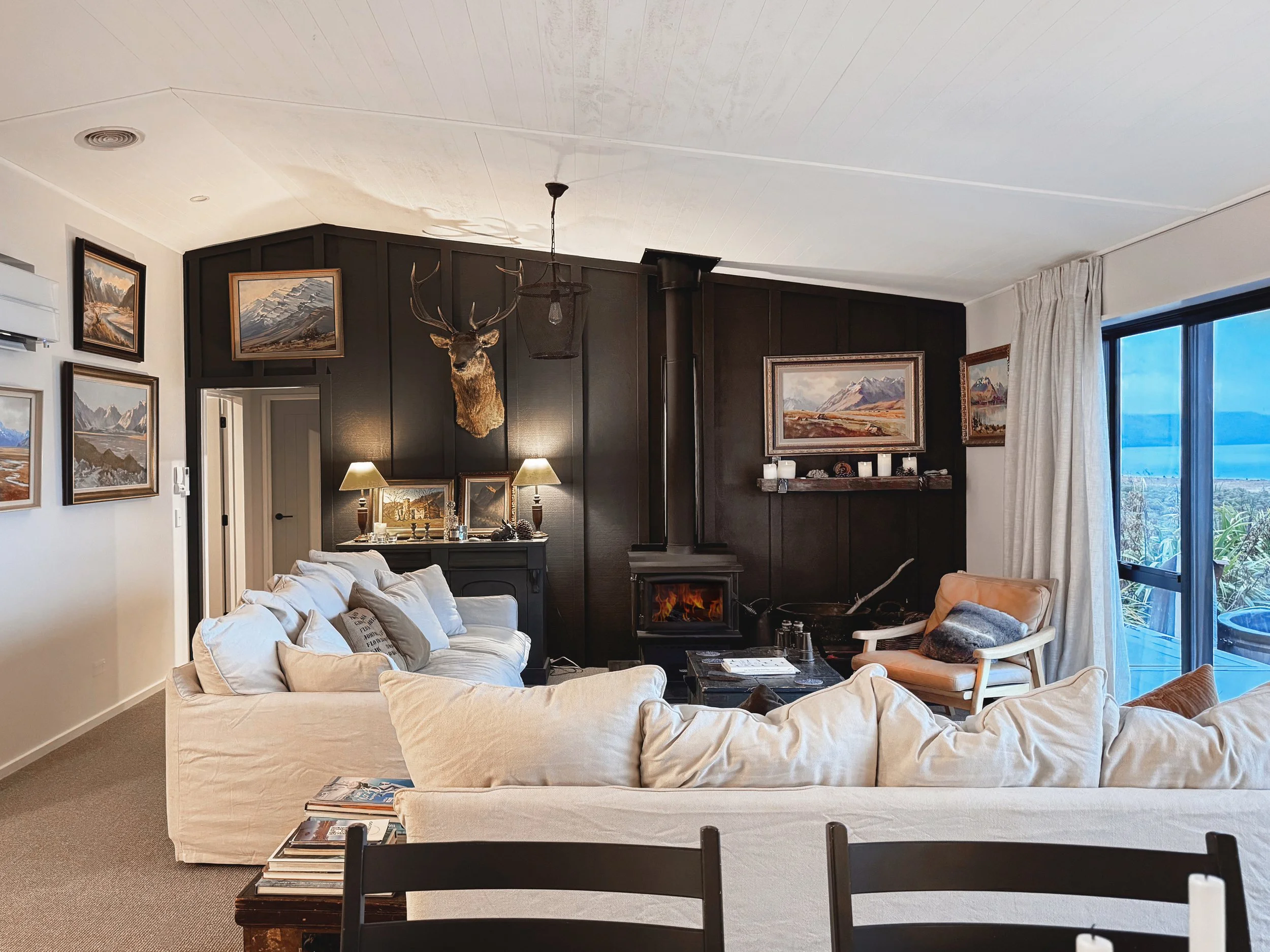
At Lake Ōhau Escape, guests are able to experience this extraordinary environment directly from the house itself, whether from relaxing in the outdoor spa looking out at the lake and skies, from the wooden deck, or from the couch by the fire looking outside.
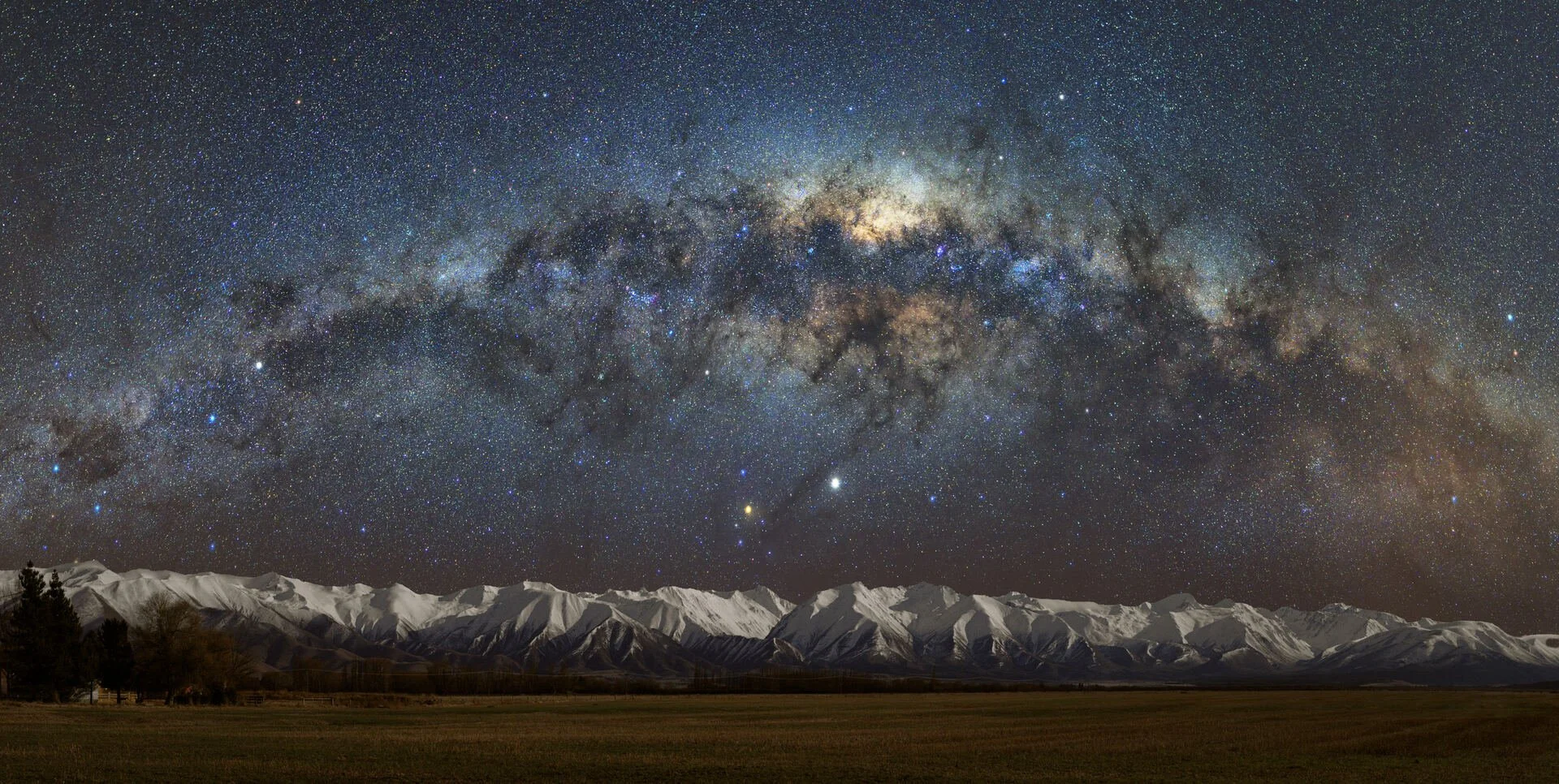
Photography: Lee Cook
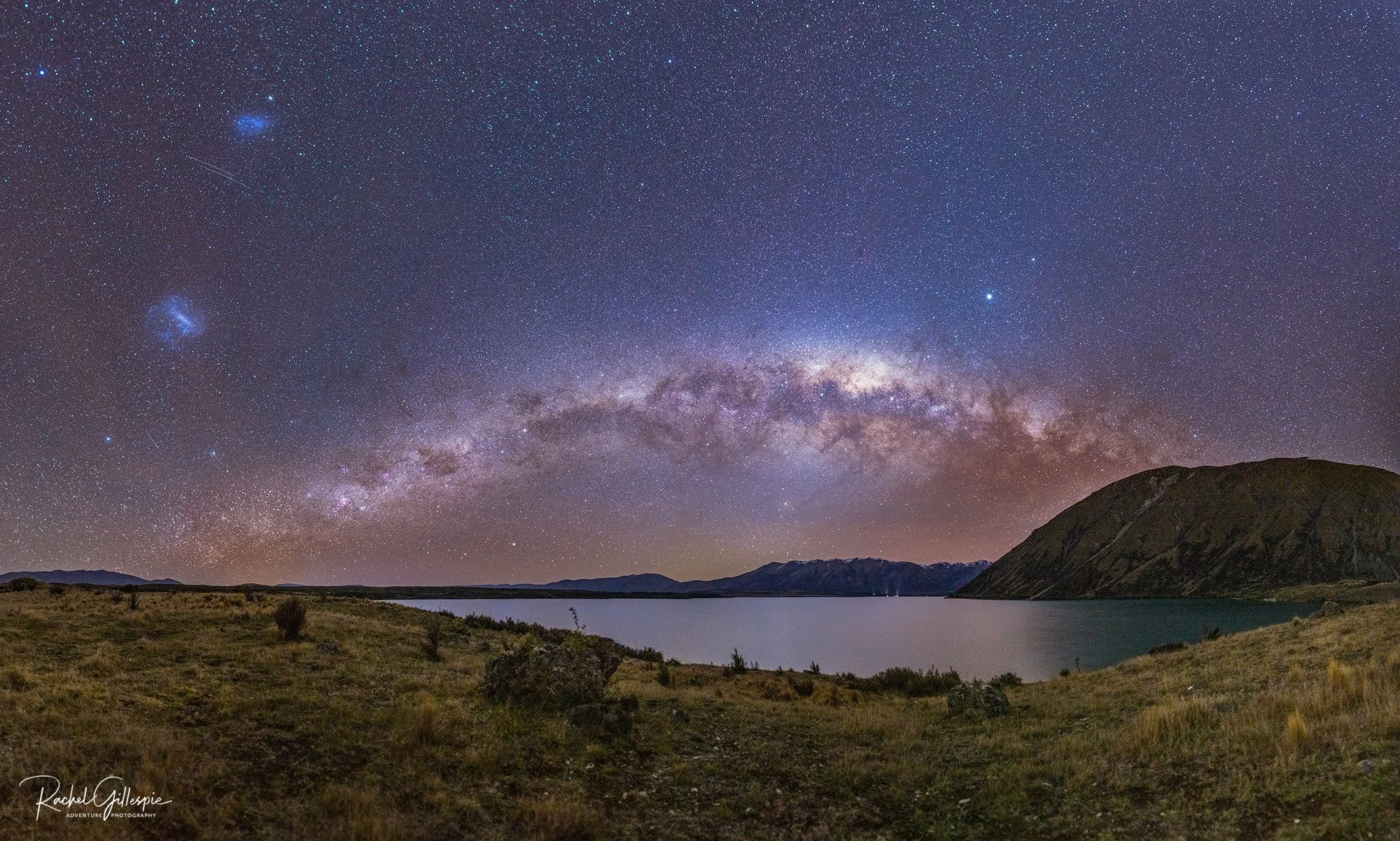
Photography: Rachel Gillespie
Why the Lake Ōhau and the Mackenzie Basin Is So Well Suited to Stargazing
Several geographical and environmental factors contribute to the region’s exceptional night sky quality.
Minimal Light Pollution: The Mackenzie Basin is sparsely populated, with strict outdoor lighting controls introduced to preserve dark sky conditions. Unlike urban centres, there is very little artificial light scattering into the atmosphere.
Dry Alpine Climate: Low humidity and relatively stable weather patterns help create clearer skies and improved visibility for astronomical observation.
Wide Open Landscapes: The basin’s expansive terrain and low surrounding development create unobstructed views across the horizon, allowing stars and celestial events to be viewed in remarkable detail.
Southern Hemisphere Visibility: New Zealand’s southern latitude also allows visibility of celestial features not seen in much of the Northern Hemisphere, including the Southern Cross, the Large and Small Magellanic Clouds, sections of the Milky Way core
On particularly clear nights, the density of visible stars can feel striking even to those familiar with rural night skies elsewhere in the world.
Stargazing at Lake Ōhau
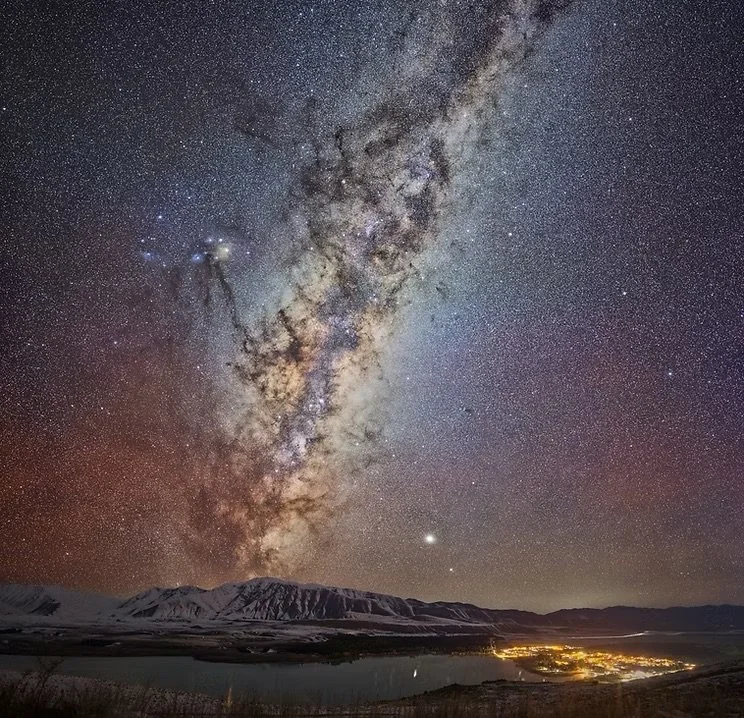
Lake Ōhau offers a quiet and more secluded experience of the Mackenzie Basin landscape next to Lake Tekapo which is an internationally recognised star gazing destination within the reserve. Positioned away from larger tourist centres, Lake Ōhau retains an extraordinary sense of stillness and darkness, and less light polution. The lake itself reflects both mountain silhouettes and changing night skies, while the surrounding alpine environment creates a dramatic natural setting for evening viewing.
At Lake Ōhau Escape, stargazing can be enjoyed privately and at a slower pace than many formal observatory experiences. Guests often spend evenings sitting outdoors relaxing in the spa pool watching the stars, or simply watching the sky emerge above the lake after sunset while on the couch by the fire.
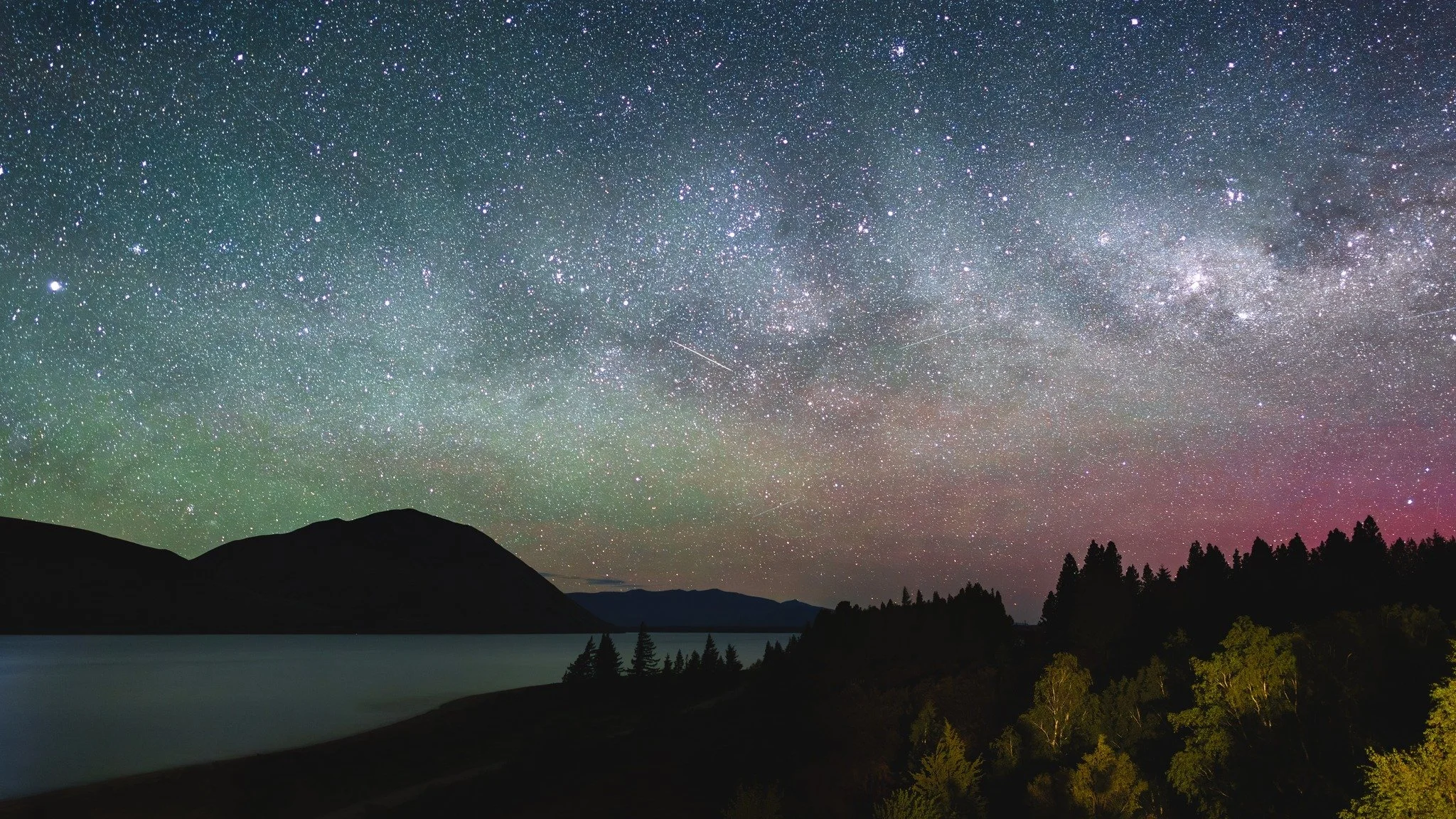
Photography: Helen Griffiths
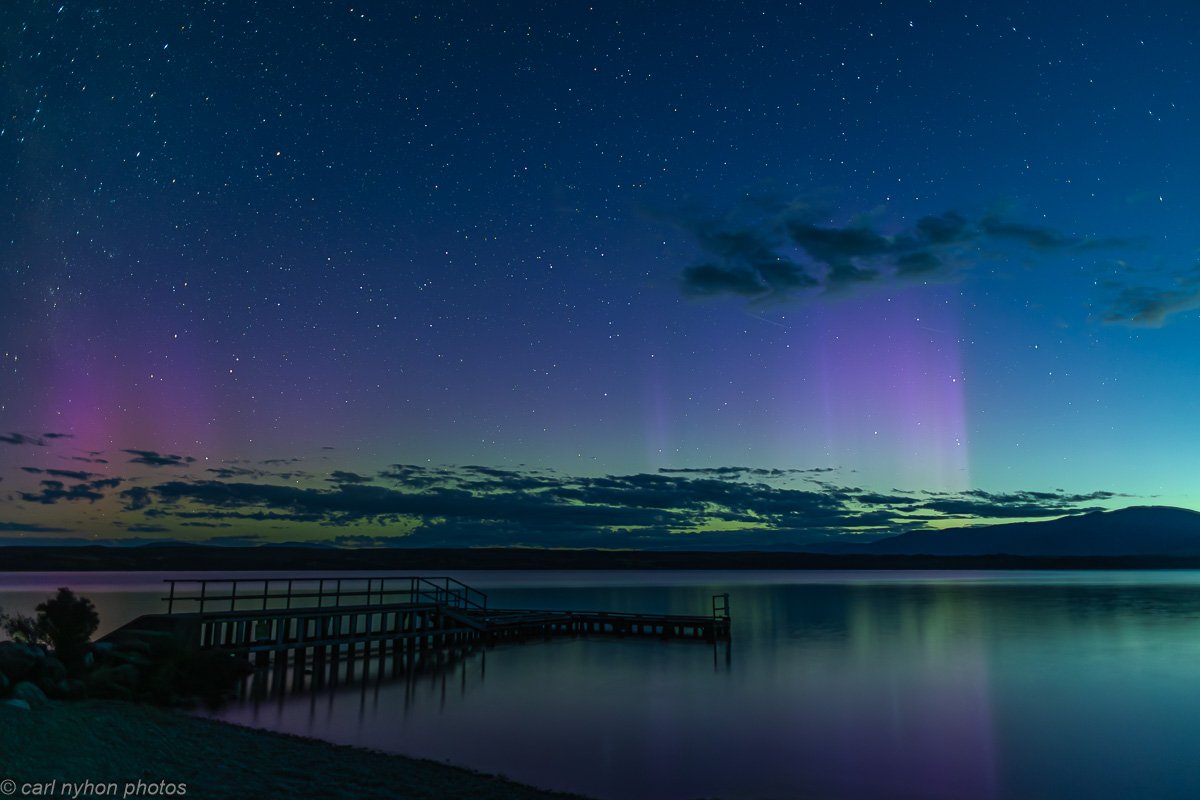
Photography: Carl Nyhon
Does Lake Ōhau see the Southern Lights; Aurora Australis?
Yes—on rare occasions, the Aurora Australis—also known as the Southern Lights—can be visible from the Lake Ōhau and the Mackenzie Basin during periods of heightened solar activity. Soft bands of green, pink, and violet light may appear low on the southern horizon, often reflected subtly across the lake and surrounding landscape. While sightings of the Aurora are rare and never guaranteed, the region’s exceptionally dark skies and low light pollution make Lake Ōhau one of the better locations in New Zealand to experience this remarkable natural phenomenon.
Astrophotography at Lake Ōhau
Lake Ōhau and the wider Mackenzie Basin have become a renowned destination for astrophotography—long exposure photography revealing the stars—attracting photographers from around the world seeking clear skies, dramatic alpine landscapes, and minimal light pollution. Lake Ōhau offers particularly striking compositions, with the Milky Way, constellations, and night skies framed by mountain silhouettes and reflected across the lake. On calm evenings, even simple long-exposure photography can capture extraordinary detail, making the area equally rewarding for both professional photographers and first-time night sky enthusiasts.
What Can Be Seen in the Night Sky from Lake Ōhau?
Visibility changes depending on season, weather, and moon phase, however common sightings throughout the year include the Milky Way, Orion, the Southern Cross, Jupiter and Saturn, meteor showers, satellites, the International Space Station, and the Magellanic Clouds.
Best Time and Season to Experience the Dark Sky Reserve
Stargazing is possible throughout the year, although conditions are generally best during autumn (March–May) and winter (June–August). These seasons tend to offer longer nights and greater atmospheric clarity. Optimal viewing occurs on clear evenings when the moonlight is minimal.
Winter often provides particularly crisp visibility due to colder and drier air conditions, while summer offers warmer evenings suitable for extended outdoor viewing.
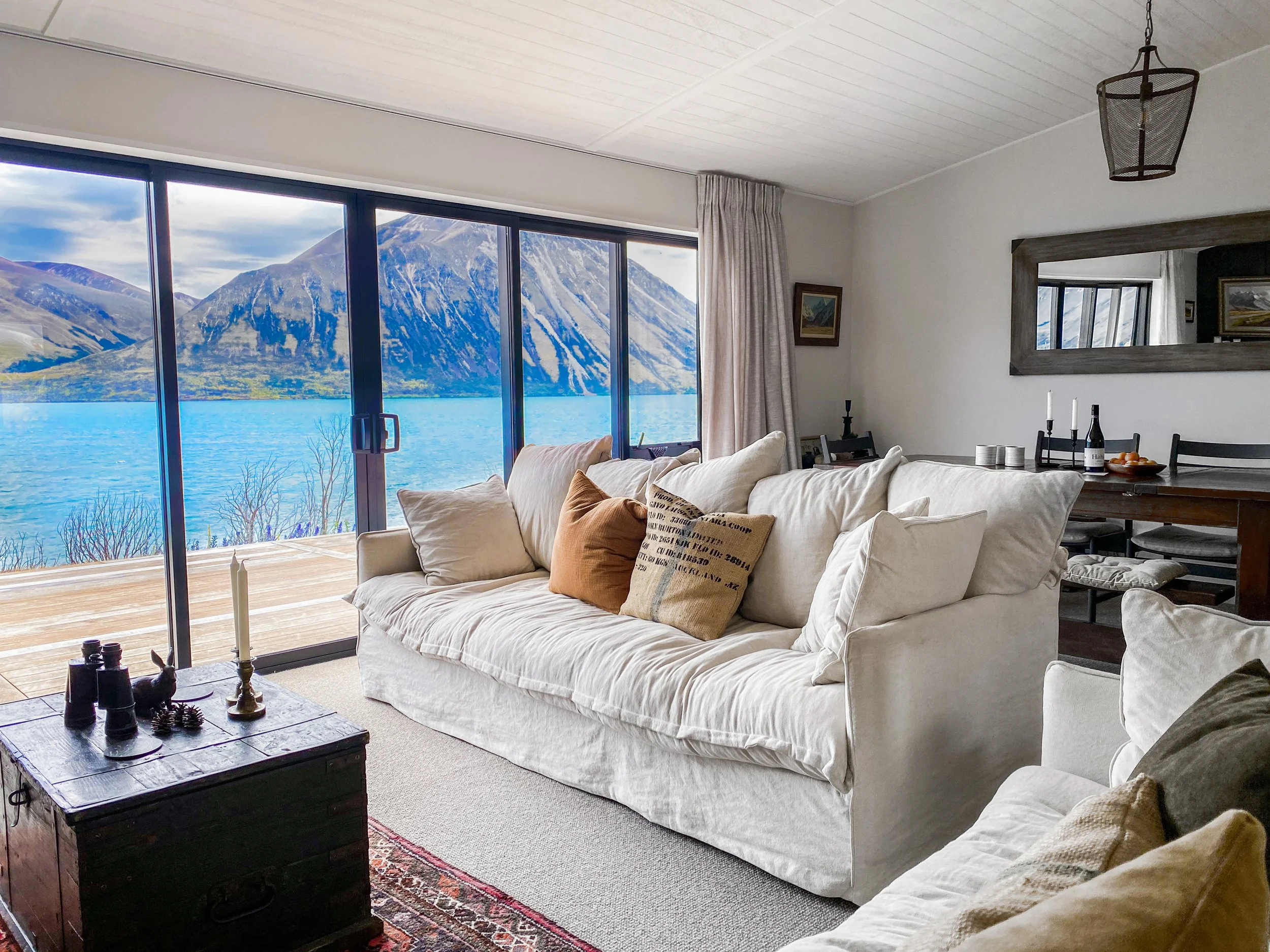
Experience the Aoraki Mackenzie International Dark Sky Reserve from Lake Ōhau Escape. View pricing, availability, and accommodation details here on Airbnb.